
Or, How Designing for the Few Quietly Ended Up Benefiting Everyone.
Ho ho ho, holiday cheer, and a mug of ergonomically optimized cocoa.
As we wrap another year in ribbon and reflection, it’s the perfect moment to pause and look at what genuinely shapes our world. Not just glitter, not just good cheer, but meaningful progress. Many of the everyday products we rely on were born from one simple idea: designing inclusively.
You’re likely using several of them today without knowing they were originally created for people facing barriers, yet you benefit because someone believed everyone deserved access.
Inclusive design is quite simply good design.
Research shows that products and services created with broader user needs in mind can reach up to four times the number of intended consumers, expanding market reach and overall impact.
So gather ’round the design hearth. Here are twelve innovations that have one thing in common: they were shaped by inclusive thinking and now benefit millions … including you.

1. Gentle Slopes for All, starting with The Curb Cut Effect
Curb cuts were originally created so wheelchair users could navigate sidewalks independently. Over time, they became essential to people pushing strollers, rolling luggage, riding bikes, delivering goods, or simply managing a situational disability like an injury.
2. Oral Care Made Accessible with The Electric Toothbrush
Electric toothbrushes were developed to support people with limited manual dexterity and post-surgery mobility. Today, they’re a bathroom standard valued for convenience and effectiveness.
The global electric toothbrush market reached USD 4.36 billion in 2024 and is expected to grow to USD 6.82 billion by 2030, a sign of mainstream adoption of an originally accessibility-driven innovation.
3. Beyond Accessibility Compliance with Closed Captions
Closed captions were originally developed for people who are deaf or hard of hearing, but their value goes much further. It has become indispensable for noisy commutes, quiet offices and multitaskers everywhere.
With video content now central to digital communication, captions support comprehension in noisy environments, help with language learning, and improve discoverability. Adding captions to videos increases view time and engagement across platforms.
4. Entering a new world of storytelling with Audiobooks
Audiobooks began as accessible alternatives for blind and visually impaired readers. Today, listening is fully mainstream, integrated into commutes, chores, and daily routines.
The audiobook industry continues rapid growth as digital listening becomes more embedded in everyday life.
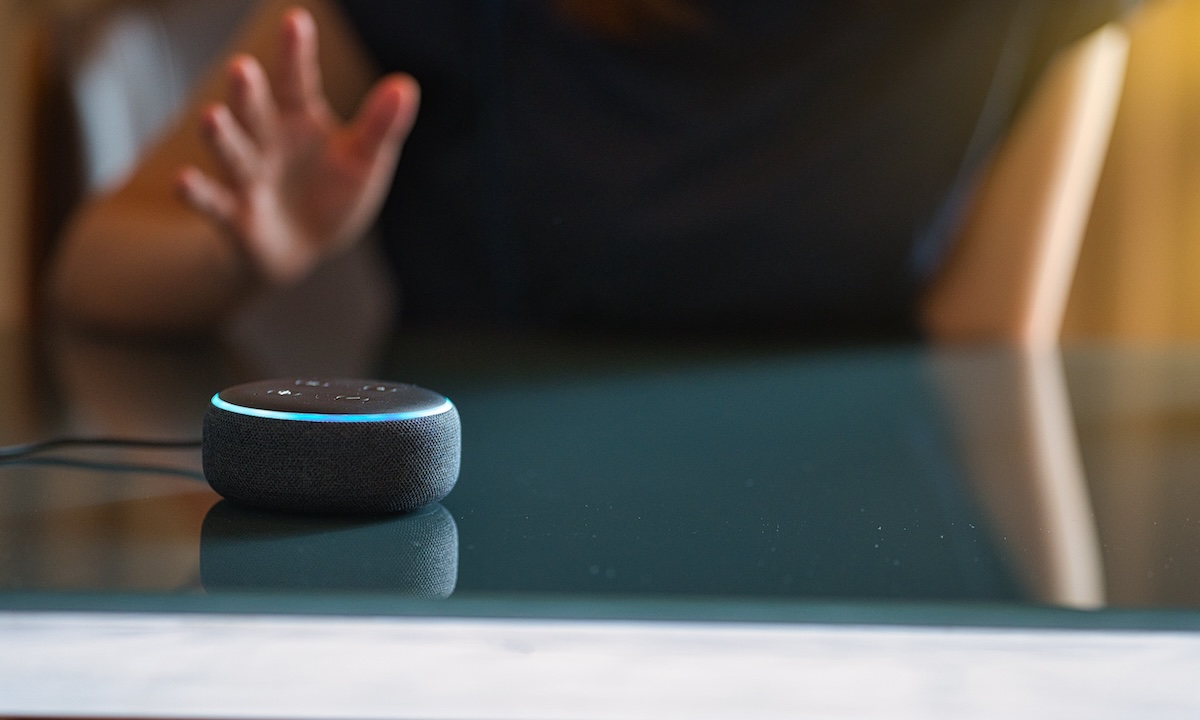
5. Speaking to Technology with Voice Assistants
Voice interfaces were originally designed to support users with mobility or vision limitations by providing hands-free control through multimodality. They have since become ubiquitous; used to set timers, turn off lights, check weather, or manage daily tasks.
Hands-free was first an accommodation, now a convenience revolution.
6. Keyboards and their Digital Descendants
The typewriter keyboard layout was developed in part to support assistive typing. Over time that lineage continues through sticky keys, alternative layouts, and predictive text.
Today, features like predictive text and autocorrect are everyday conveniences that speed up typing and reduce errors for most users, and alternative input features support a wider range of needs.
7. Designing with understanding of the human body: OXO’s Good Grips
An industrial-design love story that began with arthritis. OXO’s chunky, comfortable handles and “anyone-can-use-me” ethos transformed kitchen tools from finger-pinchers into champions of comfort.
The result? Larger, non-slip handles that are easier and more comfortable for anyone to use. These products illustrate how addressing a specific need in design can set new ergonomic expectations across an industry.
Today ergonomic design is simply considered “good design.”
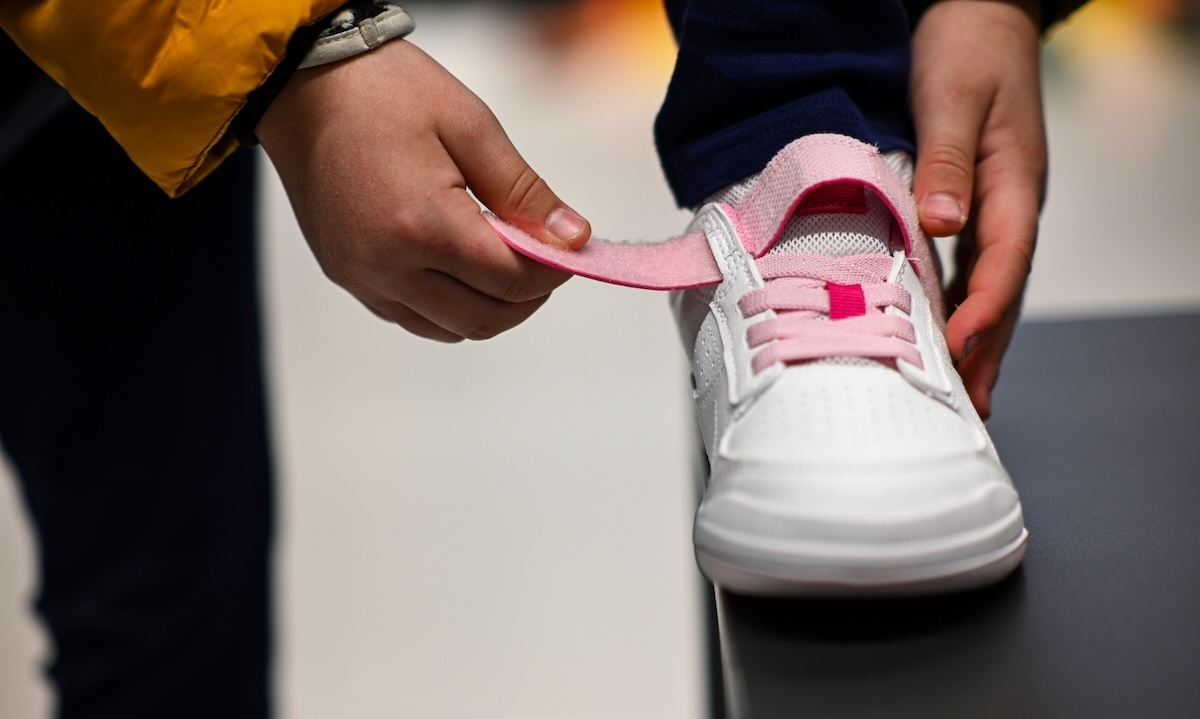
8. Velcro in Everyday Life
Originally inspired by nature and later embraced for use by people with limited dexterity, Velcro demonstrates how simple mechanisms can lower effort across many applications. From children’s shoes to astronaut suits, the effortless rip-and-stick has secured its place in global utility.
9. From Accessibility to Ubiquity with Text Messaging
Short Message Service (SMS) was an early alternative communication channel used by people with hearing differences before becoming the dominant mobile communication method globally. It birthed new social norms, new writing styles, entire industries, and the vintage thrill of the Nokia beep.
10. The Rolling Suitcase, or Mobility Aided by Design
While wheels under luggage might not be an obvious inclusive innovation, they borrow from the logic of mobility assistance: reduce strain, increase independence. A mobility aid disguised as luggage. Today, nearly all travellers rely on wheeled luggage, benefiting physically from the same design principle that helps people with mobility challenges.
11. Flexible Straws: Small Design, Big Impact
Flexible straws were originally designed so children and hospital patients could drink without lifting a glass. Over time, they became a simple ergonomic improvement used widely in hospitality and healthcare settings.
Their broader popularity in food service and hospitality reminds us that small ergonomic details can meaningfully improve daily experiences.
12. Alt Text for Images: Digital Accessibility Serving Everyone
Alt text was created to give blind and low-vision users access to visual content via screen readers. Today, it also improves SEO, supports machine learning datasets, and improves clarity when images fail to load.
A concise description can open a whole world.
Inclusivity, The Gift That Keeps Giving
These twelve designs may look wildly different, but they share a single origin story: someone focused in on exclusion and treated it as an opportunity to innovate. When teams embrace the full spectrum of human ability, context, and possibility, they can create products with unusually long lives and unusually broad reach
Inclusive design is not simply a moral imperative, it’s a smart strategy. Products and services that account for diverse needs reach more users, improve satisfaction, and often save costs by reducing the need for retroactive fixes.
Inaccessible design can exclude users and without deliberate inclusive choices, brands may be missing significant consumer value by not addressing these gaps.
Inclusive design starts with asking, who’s not being served? The answer often opens up opportunities for innovation that benefit everyone. And like the best gifts, it’s meant to be shared.
Enjoyed this article? Read more about our inclusive design services.