
My morning routine consists of the following: opening the blinds, turning on the lights, and playing a podcast from my smart speaker. Oh, and these are all controlled by three different apps. That’s a lot of tech to use within the first ten minutes of returning to consciousness. And that’s just the tip of the proverbial smart home tech iceberg. I can purchase a smart dishwasher and washing machine which I can program, using an app, to run during energy efficient times of the day. There are now ovens that can detect when your food is burning or your cake is baked enough, and fridges that tell you when you’ve run out of eggs. You can even buy a smart tap and use an app to obtain the perfect boiling water temperature. Afterall, what’s the point of drinking ceremonial grade matcha if you can’t brew it to precisely 81 degrees Celcius?
All of this hardware and software is built for consumers with one common goal in mind: to make our lives just a bit simpler and, as a result, more luxurious. However, how well is smart home tech truly helping us to achieve these goals? How do interactions with smart tech differ from analogue appliances? What considerations should be taken into account when switching from buttons and dials to touchscreens and apps? Below, I explain crucial considerations product designers should keep in mind when designing smart home tech.
Cognitive load
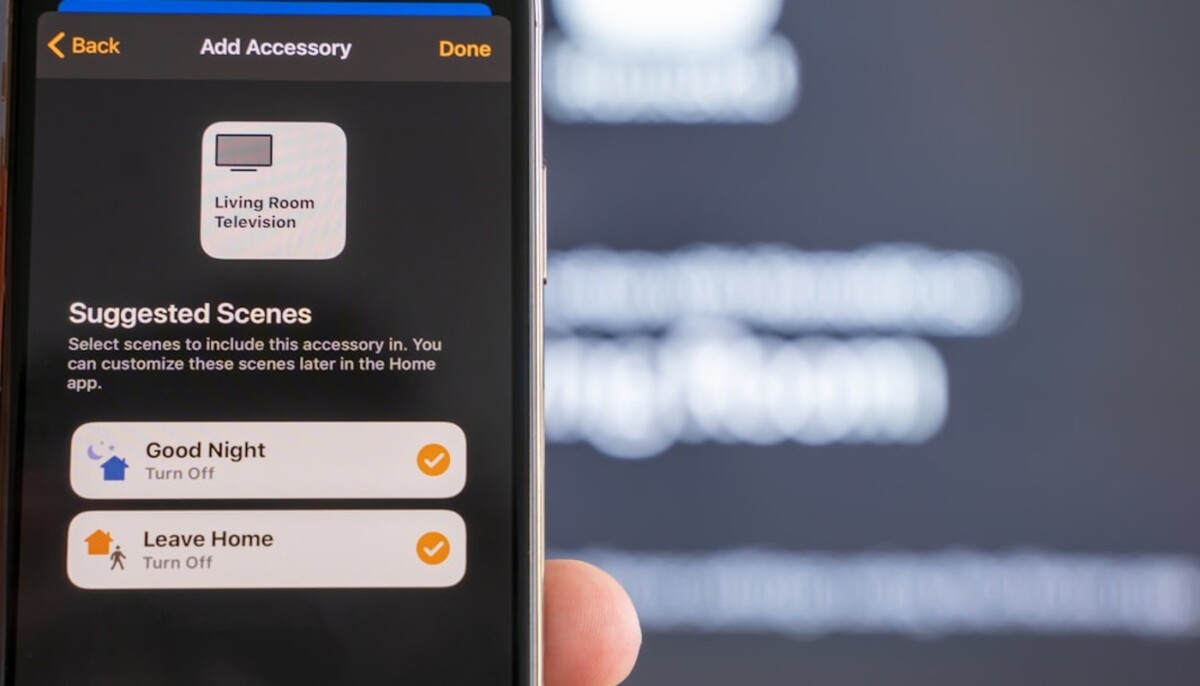
To control all of these solutions, nine times out of ten you do so on your phone via a companion app. For the devices I listed in my introduction, that’s at least six separate apps! Not to mention you can have separate apps for climate control if your heating and cooling systems aren’t unified, smart litter boxes, bin, vacuums, fans, the list goes on. With each app comes a new system to learn, accounts to manage, and interactions to master. Thousands of hours are poured into these interactions by developers and designers to make using these apps more appealing than flicking on a light switch. Embarrassingly, I’ve stepped outside of my home office into my dark hallway and decided I should turn around to pick up my phone from my desk to turn on the lights rather than flicking the light switches, which are closer and take less time to use! But hey, at least I get to select my desired brightness
Buttons vs. screens
For those who aren’t interested in using an app to manage their smart home tech, you may struggle. The analogue interfaces can vary. For my blinds, it’s quite straightforward. They provide you with a control panel that you can attach to the wall and control the opening positions with just a few buttons. For the HVAC, you have a remote control, quite similar to one you’d use for a TV. Analogue buttons and dials, however, seem to be going the way of the dodo. Smart ovens, thermostats, and other appliances are opting for sleek and modern touchscreens. Replacing analogue interfaces with touchscreens can make your appliance feel smart and luxurious, however, controlling these can be finicky, particularly when conductivity is interrupted. As a messy baker, I worry about my butter covered hands slipping and sliding across the screen of a smart oven while watching in horror as my cheesecake turns from golden brown to black. Perhaps a bit overdramatised, but the point remains!
Maintenance
Smart home tech isn’t developed in a vacuum, nor does the work stop once it’s launched. Software updates are necessary not only to enhance the value of the product but also to mitigate security risks. Maintaining and upgrading these systems requires constant input from people, adding a cost that may not be sustainable long term for one-time purchase products. Smart home tech also typically requires internet connectivity, necessitating the storage and processing of your data on energy hungry servers. Subscription: comfort at a cost.
Comfort at cost
The vast majority of smart home tech apps are free to use, but for how long? As consumers grow to rely on these conveniences, companies may be tempted to begin charging for continual use. It’s happened before at the expense of the carefully cultivated relationship between companies and users. Will consumers relent and pay yet another subscription, or find an alternative, leaving to find a better relationship?
Making smart home tech smarter
There’s no question that smart home tech can make our lives just a bit easier and make our homes feel more comfortable. However, no matter how tech savvy one is, the learning curve can be quite steep. Smart tech can also fall prey to the novelty effect: fascinating and fun to use for a short period of time then retired for what’s tried, true, and familiar. If you found this piece interesting and would like to learn more about how we can help make your product a staple in peoples’ homes, get in touch.